
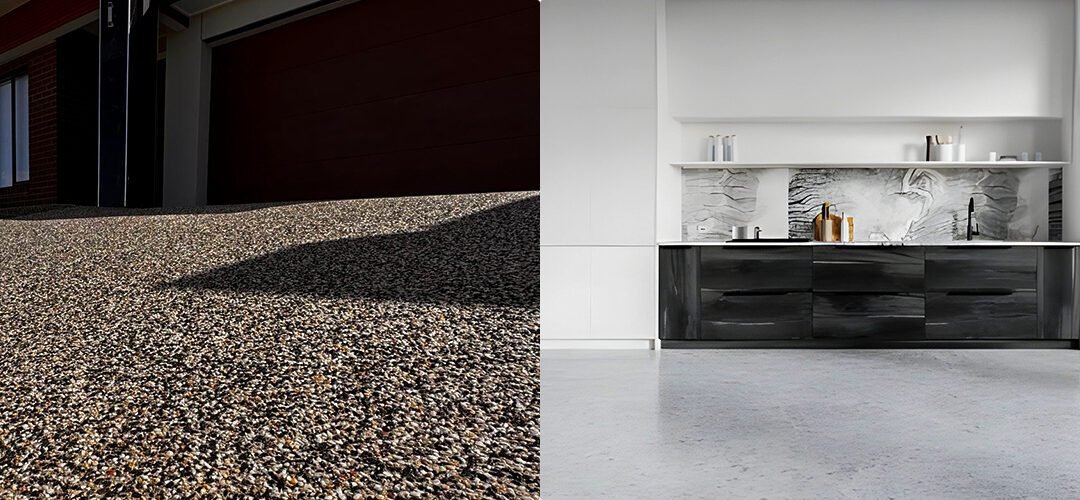
Concrete remains the most popular choice for driveways, pathways, patios and outdoor entertaining areas across Australia. But one question homeowners often ask is:
Should I choose coloured concrete or standard concrete?
Each comes with unique advantages, different visual appeal and different long-term maintenance requirements. This detailed guide breaks down everything you need to know — including cost, durability, appearance, pros, cons and best-use cases.
Whether you’re building a new home, upgrading an old driveway or designing a modern outdoor space, this guide will help you make a confident, informed decision.
What Is Standard Concrete?
Standard grey concrete (also called plain concrete) is the most common type of concrete used in Australia. It is made by mixing cement, sand, gravel, and water, producing a smooth, neutral grey finish once set.
Where Standard Concrete Is Commonly Used:
- Driveways
- Footpaths
- Garage floors
- Shed slabs
- Foundations
- Parking areas
- House surrounds
Standard concrete is the most affordable concrete option and provides strong durability for everyday use.
What Is Coloured Concrete?
Coloured concrete is standard concrete mixed with iron oxide pigments that tint the entire slab. This creates a consistent colour throughout, rather than just on the surface.
Coloured concrete comes in various shades, including:
- Charcoal
- Beige / Sand
- Terracotta
- Brown tones
- Light grey
- Rich earthy colours
- Custom colour blends
Many homeowners choose coloured concrete because it adds more visual appeal while keeping the strength and durability of standard concrete.
Types of Coloured Concrete Finishes
Coloured concrete is available in two main types:
1. Oxide-Integrated Coloured Concrete
The pigment is mixed through the entire batch.
Benefits:
- Long-lasting colour
- Colour remains even after wear
2. Surface-Coloured Concrete (Spray-on / Seal tint)
Pigment or colour is applied only to the surface.
Benefits:
- More affordable
- Easy to recoat or change colour later
Oxide colouring is the premium option that homeowners choose for long-term colour performance.
Cost Comparison: Coloured Concrete vs Standard Concrete (Australia 2025)
Standard Concrete Cost
$65 – $95 per square metre
Cost depends on:
- Thickness
- Reinforcement
- Site access
- Level of preparation
Coloured Concrete Cost
$90 – $130 per square metre
The price depends on:
- Colour type (oxide vs surface)
- Quality of pigment
- Concrete mix
- Labour complexity
Cost Difference Summary:
Coloured concrete costs $25–$40 per m² more than standard concrete.
However, it increases street appeal, improves visual consistency and can significantly enhance property value — especially for driveways.
Coloured Concrete vs Standard Concrete: Side-by-Side Comparison
Appearance
- Standard Concrete: Neutral grey tone. Clean and simple.
- Coloured Concrete: Wide range of decorative colour choices that complement your home.
Durability
- Both options are equally strong, depending on mix and reinforcement.
- Coloured concrete, when sealed, resists stains better.
Maintenance
- Standard concrete may show stains more easily.
- Coloured concrete benefits from sealing every 2–3 years.
Cost
- Standard is cheaper.
- Coloured concrete is more premium and visually appealing.
Best Use Cases
- Standard: Shed slabs, garage floors, basic footpaths, utility areas.
- Coloured: Driveways, patios, pathways, front entries, architectural homes.
Advantages of Standard Concrete
1. Affordable and Budget-Friendly
Standard concrete is the most cost-effective option for large areas.
2. Strong and Durable
Provides excellent structural performance for decades.
3. Works With Decorative Add-ons
You can upgrade later with:
- Stencil patterns
- Cutting and scoring
- Sealing
- Painting or tinting
4. Simple, Clean Appearance
A neutral grey tone suits most properties.
Disadvantages of Standard Concrete
1. Shows Stains and Tyre Marks
Oil spills and dirt show up more easily.
2. Basic Aesthetic
Plain grey doesn’t add much design value.
3. Can Look Patchy Over Time
Weather and surface wear may lead to uneven colour tones.
Advantages of Coloured Concrete
1. Attractive and Customisable
Choose from dozens of colour shades to complement your home’s exterior.
2. Excellent for Driveways
Charcoal and darker oxides hide stains and tyre marks better.
3. Enhances Property Appeal
Coloured concrete gives outdoor areas a finished, professional look.
4. Long-Lasting Colour
Oxide pigments are UV-stable and don’t fade quickly.
5. Works with Decorative Finishes
Can be combined with:
- Stencilled designs
- Saw cuts
- Polished finishes
- Textured effects
Disadvantages of Coloured Concrete
1. Higher Cost
Oxide pigments increase the price of the total mix.
2. May Require Sealing
Sealing helps maintain vibrancy and reduce staining.
3. Colour Variations Can Occur
If concrete dries unevenly or batches differ, slight shade variations may appear.
Best Areas to Use Coloured Concrete
1. Driveways
Charcoal, black oxide and warm earthy tones are extremely popular for their premium appearance.
2. Pathways & Entrances
Coloured paths create a polished, consistent look around landscaped areas.
3. Patios & Alfresco Zones
A coloured slab enhances the outdoor entertaining space.
4. Pool Surrounds
Light-coloured concrete helps reduce heat absorption during summer.
Do You Need to Seal Coloured Concrete?
Sealing is recommended for coloured concrete, especially in high-traffic areas like driveways.
Benefits of Sealing:
- Enhances colour
- Reduces staining
- Prevents tyre marks
- Protects against oil spills
- Extends lifespan
Most contractors recommend sealing every 2–3 years.
Coloured Concrete Colour Options (Most Popular in Australia)
1. Charcoal (Black Oxide)
The top choice for modern homes.
Works well with dark roofs and minimalist architecture.
2. Sandstone / Beige
Great for coastal and contemporary designs.
3. Terracotta / Clay Red
Traditional, warm and earthy.
4. Light Grey
A softer version of standard concrete with a premium feel.
5. Mocha / Coffee Brown
Stylish, warm tones ideal for landscaped areas.
Which Should You Choose?
Choose Standard Concrete if:
- You want the most affordable option
- You’re pouring a shed slab or utility area
- You don’t need decorative appeal
Choose Coloured Concrete if:
- You want a clean, premium look
- You want to increase street appeal
- You’re upgrading your driveway, patio or outdoor area
Coloured concrete adds long-term value and improves overall property presentation.
CALL TO ACTION
Looking for coloured or standard concrete installation in Australia?
Best & Less Concrete provides high-quality workmanship, durable finishes and competitive pricing.
Call Now: 0449 562 437