
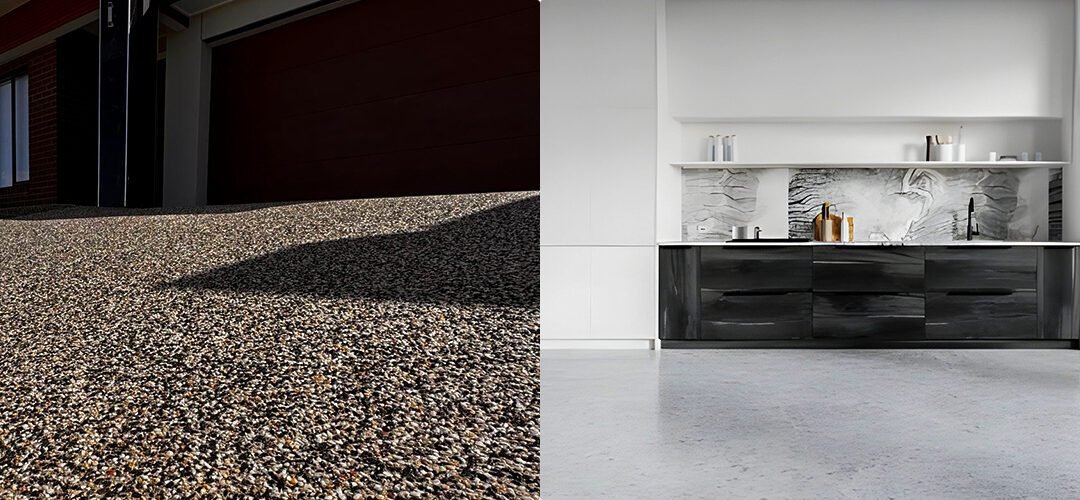
Exposed aggregate concrete has become one of Australia’s most popular choices for modern driveways, pathways, outdoor entertaining areas and pool surrounds. Homeowners love it because it looks premium, offers long-lasting durability, and requires far less maintenance than traditional paving.
This blog provides a complete Australian guide to exposed aggregate concrete, including costs, colours, finishes, design ideas, advantages, and installation considerations. Whether you’re building a new home or upgrading an old driveway, this guide will help you understand whether exposed aggregate is the right choice for your project.
What Is Exposed Aggregate Concrete?
Exposed aggregate concrete is created by removing the top layer of cement paste, revealing the decorative stones, pebbles or crushed rock beneath. These aggregates create a natural, textured and visually appealing finish that instantly enhances outdoor spaces.
Contractors can customise the appearance using different stone types, colours, and textures, making it suitable for both modern and classic home designs.
Common aggregates used include:
- River pebbles
- Basalt stone
- Quartz
- Granite chips
- Coloured stones
- Recycled glass (for decorative effect)
Its natural beauty and durability have made it a top choice across Australia.
Exposed Aggregate Concrete Cost in Australia (2025)
The cost of exposed aggregate in Australia typically ranges between:
$110 – $160 per square metre
The price depends on factors such as:
- Type and blend of aggregates
- Colour selection
- Site slope and access
- Amount of preparation required
- Thickness of the concrete
- Whether sealing is included
- Total job size
Driveways usually cost more than pathways due to load-bearing requirements and thickness.
Average cost breakdown:
- Standard exposed aggregate: $110–$130 per m²
- Premium aggregate mix (granite, quartz): $130–$150 per m²
- High-end, custom decorative blends: $150–$160+ per m²
Although exposed aggregate costs more than standard concrete, it offers superior aesthetics, slip resistance and long-term durability, making it a strong investment for any property.
Benefits of Exposed Aggregate Concrete
1. Extremely Durable
Exposed aggregate is more durable than plain concrete due to its added strength and mineral components.
2. Slip-Resistant Surface
Its textured finish provides natural grip — ideal for driveways, pool areas and sloped pathways.
3. Customisable Colours & Stone Mixes
From light, beach-style stones to deep charcoal tones, you can customise your look.
4. Low Maintenance
Regular cleaning and sealing every 2–3 years keeps it looking new for decades.
5. Visually Appealing
Its decorative finish enhances street appeal and adds value to your property.
Exposed Aggregate Colours (Most Popular in Australia)
Exposed aggregate is available in many colour blends, allowing homeowners to match the finish with their home’s façade, garage door or landscaping.
Here are some of Australia’s most popular colour categories:
1. Charcoal & Dark Stones
A favourite for modern homes with black, grey or dark brick exteriors.
Features crushed basalt, dark granite and grey stones.
2. Warm Brown & Earth Tones
Perfect for natural outdoor settings.
Includes river pebbles, sandy stones and warm earthy blends.
3. Light Pebble Mixes (Creams & Whites)
Ideal for coastal, Hamptons and contemporary designs.
Uses crushed quartz, white pebbles and lighter stones.
4. Multi-Coloured Decorative Mixes
A premium look combining different colours and stone sizes for a unique finish.
Choosing the Right Colour
Good rules to follow:
- Match dark stones with darker houses
- Use light aggregates for modern, coastal or Hamptons styles
- Choose medium tones for traditional brick homes
- Always ask for a sample board before finalising
Best Exposed Aggregate Design Ideas for Australian Homes
Exposed aggregate can be used in many areas around your home. Here are the top design ideas that deliver the best visual impact.
1. Exposed Aggregate Driveways
Driveways are the most popular application.
The rough texture provides strong grip for vehicles and reduces tyre marks.
2. Pathways & Garden Edging
Clean, natural stone colours blend perfectly with landscaping.
It creates a classy walkway while being weather-resistant.
3. Outdoor Entertaining Areas
Patios, alfresco zones and barbecue areas look premium with exposed aggregate.
4. Pool Surrounds
Its slip resistance makes it a safe and practical choice for wet areas.
5. Front Entry Steps & Porches
Creates a strong first impression with stylish, modern appeal.
How Exposed Aggregate Concrete Is Installed
To ensure quality, exposed aggregate requires proper installation:
1. Site Preparation
Excavation, levelling and forming the correct shape.
2. Laying the Concrete
Concrete is poured with the selected aggregate blend.
3. Surface Exposure
Once semi-dry, the top layer is washed or brushed to expose the stones.
4. Curing
Concrete must set properly to reach full strength.
5. Sealing
A concrete sealer enhances colour, prevents staining and increases lifespan.
Maintenance Tips for Long-Lasting Exposed Aggregate
- Wash the surface regularly to prevent dirt build-up
- Reapply sealer every 2–3 years
- Remove oil stains quickly
- Sweep leaves to avoid discolouration
- Check for cracks and repair as needed
Proper maintenance ensures your exposed aggregate looks new for decades.
Is Exposed Aggregate Right for Your Home?
Choose exposed aggregate if you want:
- A modern, decorative finish
- Long-lasting durability
- Slip resistance
- Low maintenance
- Strong visual appeal
It’s ideal for residential driveways, pathways and outdoor spaces across Australia.
CALL TO ACTION
For high-quality exposed aggregate concrete installation in Australia, contact Best & Less Concrete.
Call Now: 0449 562 437
Get expert advice, custom colour options and competitive pricing for your next project.